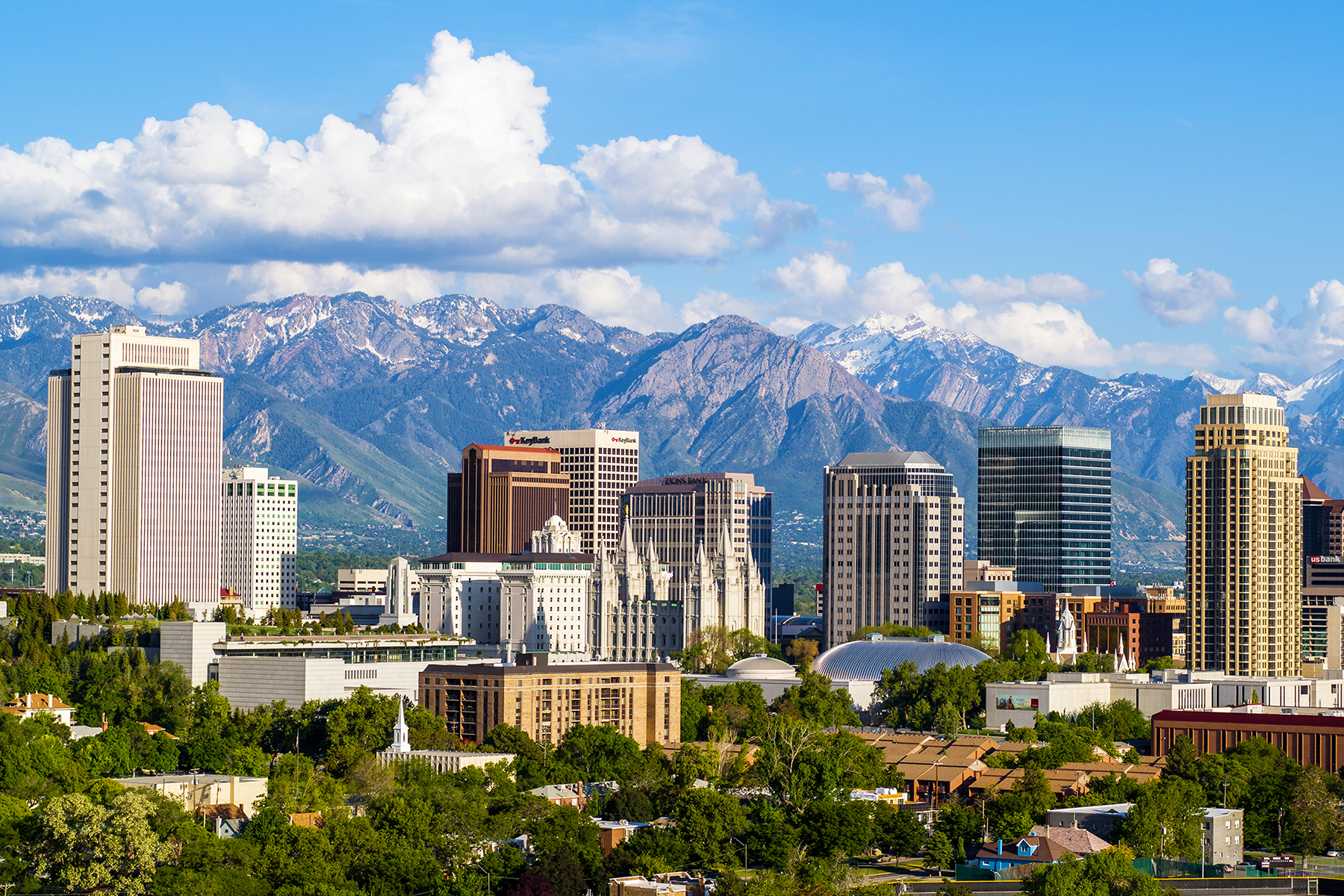
Salt Lake City skyline with the Wasatch Mountains behind it

EXPLORE UTAH • SALT LAKE COUNTY

Living in Salt Lake County, Utah

Salt Lake County isn't one type of community. Downtown neighborhoods, established suburbs, mountain-adjacent communities and fast-growing western areas share one valley, while housing, commute, transit and canyon access can change within a short distance.

I've watched this valley change

I remember open fields across this valley that are now complete neighborhoods. That long view helps me explain why two areas that sit close together can feel very different today.

A practical geographic framework

Four Parts of the County Worth Comparing

These are orientation groups, not official boundaries. Each contains communities with meaningful differences of their own.

01

Salt Lake City & Central Valley

Salt Lake City · South Salt Lake · Murray · Millcreek · Midvale

The county’s urban and central suburban core includes older single-family neighborhoods, condos and townhomes, mature streets, central services, and some of the valley’s strongest freeway and transit access.

Things to weigh: Housing age, renovation history, lot size, parking, and neighborhood character can change quickly. Central location does not make every trip or transit connection equally convenient.

02

East Bench & Canyon Communities

Holladay · Cottonwood Heights · Sandy · East-side Draper

Bench geography and Wasatch Mountain proximity shape this side of the valley. Established neighborhoods sit alongside remodeled, custom, hillside, and newer pockets, with direct access toward Big and Little Cottonwood canyons.

Things to weigh: Canyon access, slope, winter driving, property condition, and commute direction matter. Mountain or valley views should be evaluated property by property rather than assumed.

03

West & Central-West Valley

West Valley City · Taylorsville · Kearns · Magna

This broad part of the valley includes established subdivisions, varied housing eras, industrial and employment areas, commercial corridors, and continuing redevelopment and infill.

Things to weigh: The west side is not one uniform market. Compare the exact arterial routes, nearby land uses, housing condition, services, and the daily trips that matter to you.

04

Southwest Growth Corridor

West Jordan · South Jordan / Daybreak · Riverton · Herriman · Bluffdale

The southwest contains a larger share of newer housing, master-planned development, active construction, expanding retail and services, and a mix of detached homes, townhomes, and other housing types.

Things to weigh: Growth can bring new options and changing infrastructure at the same time. Compare future phases, HOA structure where applicable, east-west travel, and the distance to established employment centers.

Community explorer

Character, Context & Tradeoffs

Concise starting points for building a shortlist—not rankings or promises. Future city guides can expand these profiles without changing the county structure.

01

Salt Lake City

CharacterUtah’s urban center offers distinct neighborhoods, employment, entertainment, transit, older homes, condos, and infill within one city.

Things to weighCompare block-level context, parking, housing age, renovation history, and the route to your actual workplace.

02

Millcreek / Holladay

CharacterMature central-east communities combine established neighborhoods, convenient valley access, and proximity to the foothills.

Things to weighHousing eras, lot patterns, municipal services, and mountain access vary; the exact address matters.

03

Cottonwood Heights

CharacterA mountain-adjacent city positioned near the Cottonwood canyons, with established neighborhoods and varied bench geography.

Things to weighCanyon traffic, winter conditions, slope, and commute direction should be tested in real time.

04

Sandy

CharacterA large established suburb with housing from multiple development eras, retail and employment access, and east-side mountain proximity.

Things to weighEast and west Sandy can function differently; compare transit, freeway access, housing age, and daily routes.

05

Draper

CharacterDraper spans bench, valley, and newer development settings near the Salt Lake–Utah County line.

Things to weighCounty boundaries, slope, commute direction, housing age, and access to I-15 or west-side routes can change the experience.

06

Murray

CharacterA centrally located city with mature neighborhoods, healthcare and employment access, and useful rail and freeway connections.

Things to weighHousing condition, lot size, redevelopment, and proximity to major corridors vary by neighborhood.

07

West Valley City

CharacterA large, varied city with established housing, employment corridors, transit connections, and continuing infill.

Things to weighBecause of its scale, compare the specific neighborhood, arterial access, housing era, and nearby land uses.

08

West Jordan

CharacterAn established western suburb with multiple housing eras and remaining areas of residential and commercial growth.

Things to weighEast-west travel, proximity to Bangerter Highway or Mountain View Corridor, and future nearby development deserve attention.

09

South Jordan / Daybreak

CharacterSouth Jordan combines established neighborhoods with extensive newer and master-planned development, including Daybreak.

Things to weighCompare HOA structure, lot and home type, transit usefulness, future phases, and the commute to your regular destinations.

10

Riverton

CharacterRiverton sits within the southwest growth corridor while retaining a mix of established and newer residential areas.

Things to weighRoad access, remaining development, lot expectations, and the direction of work and school trips can shape daily life.

11

Herriman

CharacterHerriman has experienced substantial residential growth and includes newer subdivisions, townhomes, and expanding services.

Things to weighDistance from I-15, east-west travel, ongoing construction, and future development are important comparisons.

12

Bluffdale

CharacterBluffdale occupies a transition zone between Salt Lake and Utah counties with a mix of established properties and newer development.

Things to weighJurisdiction, commute direction, infrastructure, lot type, and nearby future construction can differ considerably.

Housing patterns

One County, Very Different Housing

Salt Lake County’s housing is a record of the valley’s growth. The useful comparison is not simply old versus new—it is condition, design, location, lot, ownership structure, and how each option supports everyday life.

01

Salt Lake City / Central Areas

Older homes, mature neighborhoods, condos, townhomes, and infill appear throughout the central valley.

02

East Bench

Established and mid-century inventory sits alongside remodeled homes, custom properties, and hillside locations depending on the area.

03

Established Suburbs

Murray, Sandy, Taylorsville, West Valley, and neighboring communities contain mature subdivisions from multiple development eras.

04

Southwest

Newer neighborhoods, master-planned development, townhomes, and active construction are more concentrated here; HOA use varies by community.

2026 contextGrowth note

Current Growth Context

South Jordan and Daybreak, portions of West Jordan, and the broader southwest valley continue to absorb meaningful residential and commercial development.

This is a dated orientation, not an inventory report. Development phases, infrastructure, and available homes change continuously and should be verified during an active search.

Transportation & commute

Where You Live Changes the Commute

I-15 and I-215 form the central freeway framework, while Bangerter Highway, Mountain View Corridor, and major east-west arterials shape access across the valley.

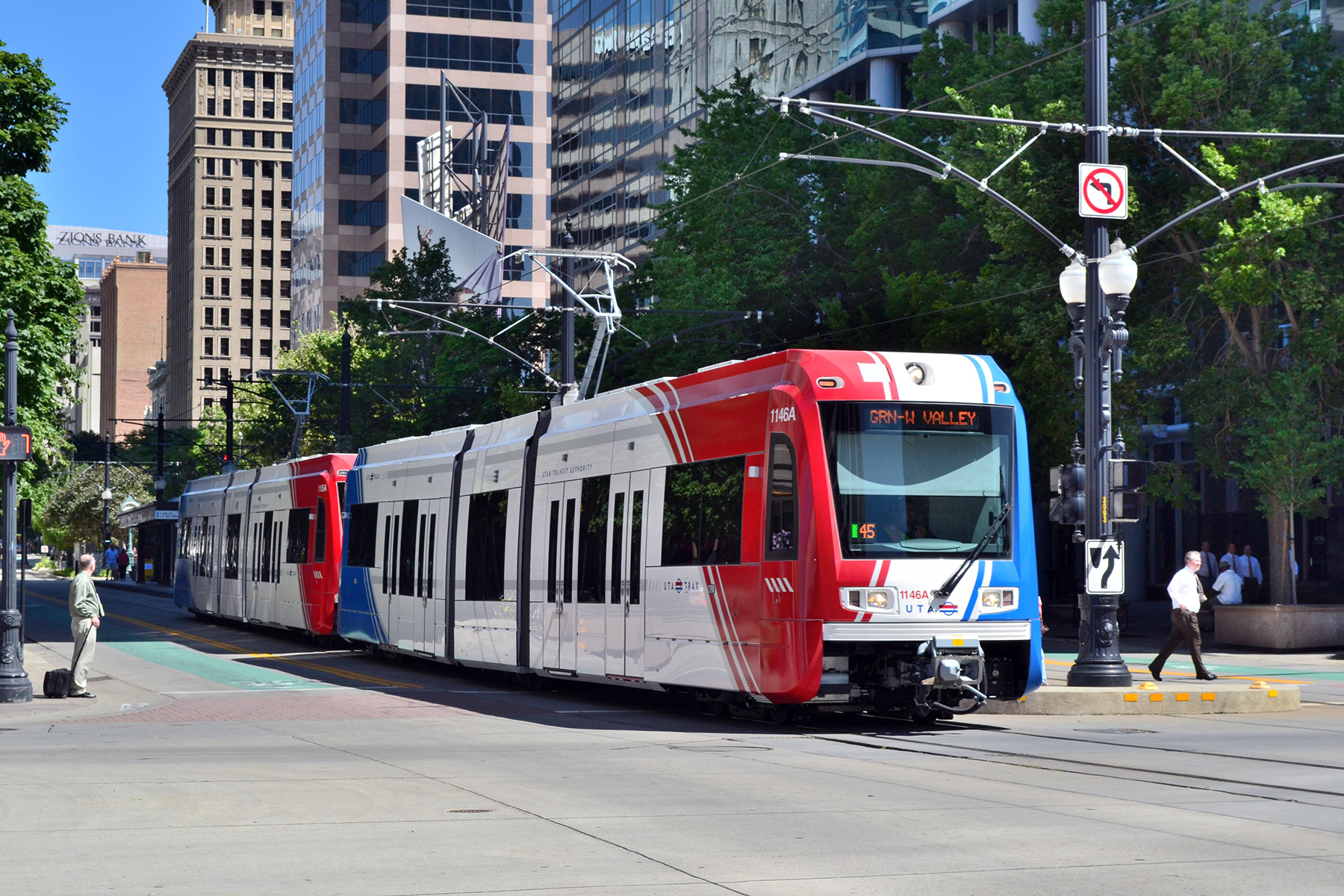
UTA’s TRAX, FrontRunner, bus network, and airport rail connection give Salt Lake County substantially more transit coverage than most Utah counties. Whether that coverage is useful depends on the exact home, workplace, schedule, and first/last-mile connection.

I-15I-215Bangerter HighwayMountain View CorridorTRAXFrontRunnerBus networkAirport rail connection
UTA TRAX light rail operating in downtown Salt Lake City

Jobs & daily geography

Where People Work Matters to Where They Live

Employment is distributed across downtown Salt Lake City, the University of Utah and healthcare corridor, airport and logistics areas, professional and business services, retail and hospitality centers, suburban offices, and industrial corridors.

The purpose is not to choose a community from a job title. It is to understand how the location and schedule of work should influence the map you search.

Buying a Home?
01

Downtown & Central City

Government, professional services, hospitality, and a broad urban employment base.

02

University / Healthcare

Major education and healthcare activity along the east-central corridor.

03

Airport / Logistics

Employment and infrastructure west and northwest of the urban core.

04

Suburban Corridors

Office, retail, industrial, and service employment distributed throughout the valley.

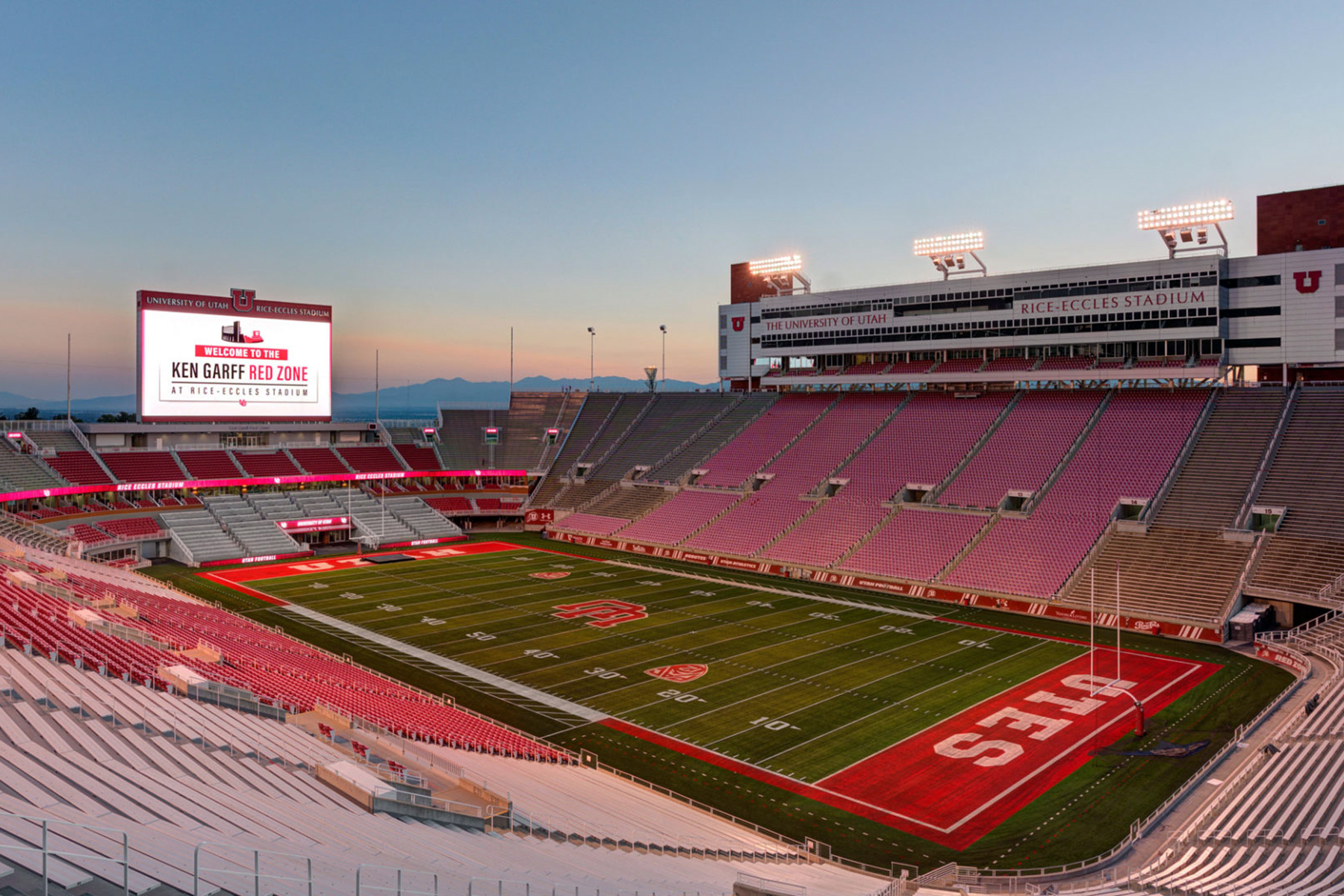
Rice-Eccles Stadium at the University of Utah

University of Utah

University, Sports & Metro Life

Located in Salt Lake City, the University of Utah is Utah’s flagship university and a major research, education and employment center. University of Utah Health includes the state’s only academic medical center, reinforcing the east-side healthcare, research and educational corridor.

Utah Utes athletics also contributes to local culture and spectator sports. For some people moving from another metropolitan area, the university is part of both the employment map and the broader rhythm of city life.

A basketball game inside the Delta Center in downtown Salt Lake City

Spectator sports across the county

Salt Lake County also concentrates much of Utah’s major spectator-sports infrastructure. NBA and NHL games downtown, professional soccer in Sandy, baseball in Daybreak and developmental soccer in Herriman add another dimension to the county’s entertainment and community life.

Downtown Salt Lake City

Utah Jazz NBA

Delta Center

Downtown Salt Lake City

Utah Mammoth NHL

Delta Center

Sandy

Real Salt Lake MLS

America First Field

Sandy

Utah Royals NWSL

America First Field

South Jordan / Daybreak

Salt Lake Bees Triple-A · Los Angeles Angels affiliate

The Ballpark at America First Square

Herriman

Real Monarchs MLS NEXT Pro · Real Salt Lake affiliate

Zions Bank Stadium

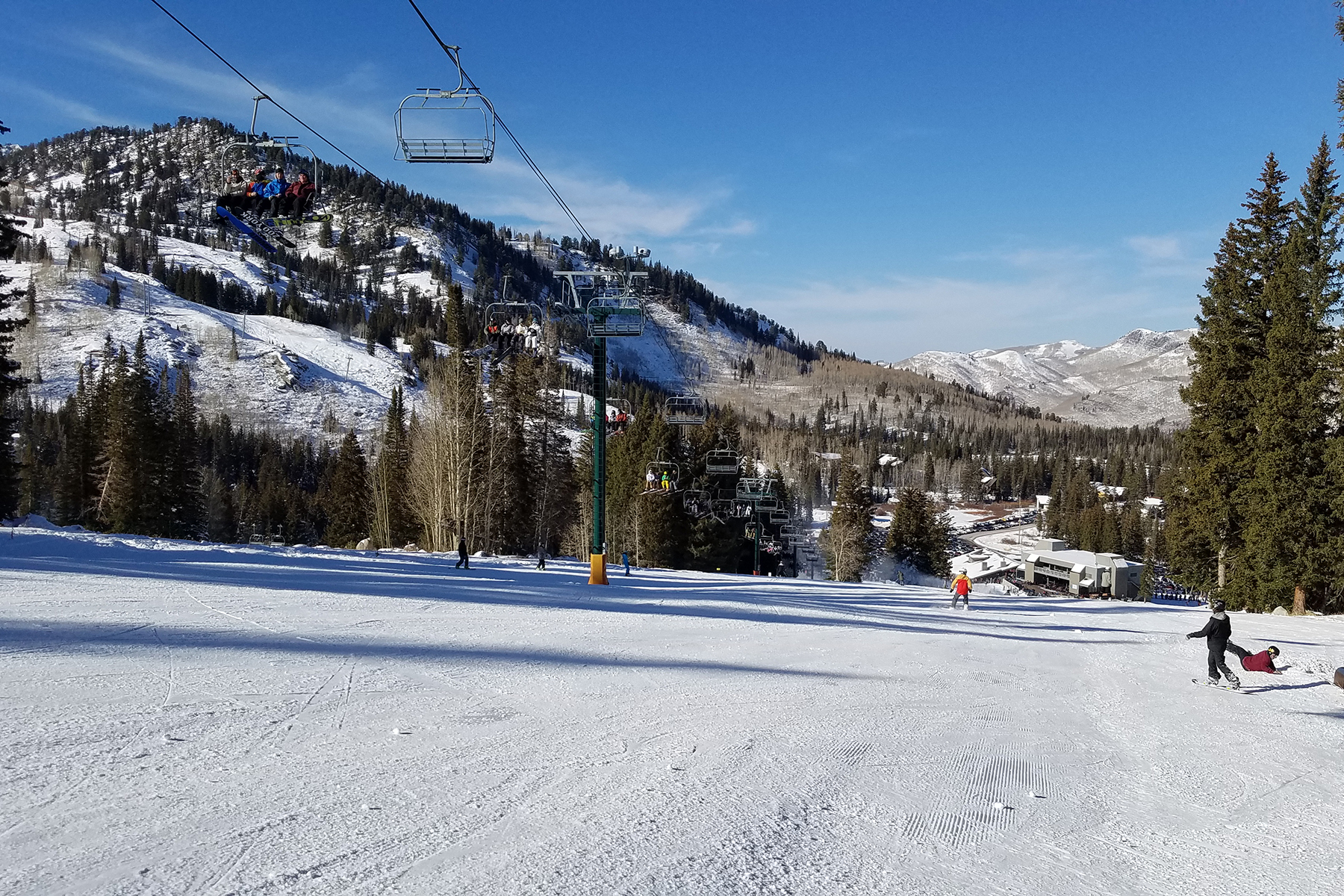
Skiers and chairlifts at Brighton in Big Cottonwood Canyon

Landscape & daily life

The Mountains Are Part of Daily Life Here

Big and Little Cottonwood canyons provide access toward Alta, Snowbird, Brighton, Solitude, hiking, biking, skiing, snowboarding, and trail networks close to the metropolitan valley.

Proximity varies dramatically across the county. Living nearer the canyons can shorten some recreation trips, while seasonal congestion, winter-road requirements, and canyon traffic remain real tradeoffs.

Big Cottonwood CanyonLittle Cottonwood CanyonAltaSnowbirdBrightonSolitudeFoothill trailsFour-season access

Schools & boundaries

Understanding School Boundaries

Salt Lake County includes several public school districts. City names and ZIP codes do not always align neatly with district or individual school boundaries.

If a particular school assignment matters, verify the exact property address through the applicable official district boundary tool before making a purchase decision. Boundaries and programs can change, and these pages do not rank schools.

01

Salt Lake City School District

Salt Lake City context

02

Granite School District

Multiple central and west-side communities

03

Canyons School District

Multiple southeast-valley communities

04

Jordan School District

Multiple southwest-valley communities

05

Murray City School District

Murray context

New construction

Where New Construction Is Still Happening

Salt Lake County is comparatively mature, so new construction is not distributed evenly. Larger concentrations are generally found in the southwest, with smaller infill and redevelopment opportunities elsewhere.

Availability changes constantly. Verify the active builder, community phase, remaining lots, incentives, HOA terms, and representation options at the time of your search.

Buying New Construction?
01South Jordan / Daybreak02Western South Jordan03Herriman04Remaining West Jordan growth areas05Riverton06Bluffdale07Infill and redevelopment elsewhere

From the shared video library

See Salt Lake Through Video

Two existing videos add useful context: one focused on everyday Salt Lake City life and one discussing broader Utah relocation tradeoffs.

Explore All Videos

A neutral fit check

Salt Lake County May Fit You If…

  • Downtown or airport access matters
  • Broad employment access matters
  • Mature neighborhoods appeal to you
  • Transit could support your routine
  • Mountain and canyon proximity matters
  • You want multiple housing styles in one county
  • You prefer an established metropolitan environment

Keep the tradeoffs visible

Things to Weigh

  • Traffic and the exact commute
  • Housing age and property condition
  • Winter inversion and air-quality periods
  • Seasonal canyon traffic
  • Limited new construction in established areas
  • Major differences between east, west, central, and southwest areas

Practical questions

Salt Lake County FAQ

Useful orientation for a shortlist. Exact conditions, boundaries, transportation, and available homes should be verified during an active search.

01What part of Salt Lake County should I live in?

Start with the trips and places that will shape your week: work, family, airport access, recreation, transit, and services. Then compare housing age, home type, lot expectations, and how much ongoing development you want nearby. Salt Lake City, the east bench, the west-central valley, and the southwest growth corridor offer different tradeoffs; no one subregion is a universal answer.

02What is the difference between living in Salt Lake City and the suburbs?

Salt Lake City can offer closer access to the urban core, older housing, condos, infill, and neighborhood-by-neighborhood variation. Suburban areas range from mature central communities to newer southwest development. The meaningful comparison is not simply city versus suburb—it is the exact commute, housing type, maintenance expectations, transit connection, lot, and daily destinations.

03Which Salt Lake County areas have newer homes or new construction?

Newer housing and larger active-development areas are more concentrated in South Jordan and Daybreak, Herriman, portions of West Jordan, Riverton, Bluffdale, and other southwest locations. Infill and redevelopment also occur elsewhere. Inventory and community phases change constantly, so current opportunities should be verified rather than assumed from a broad area description.

04How important is commute location when choosing a community?

Very important for anyone who travels regularly. Mountain geography, freeway access, east-west arterials, construction, and peak-hour congestion can make map distance misleading. Drive the route you expect to use at the time you expect to use it, and test alternatives before treating a location as convenient.

05Can I realistically use TRAX or FrontRunner for commuting?

Possibly, depending on the home, workplace, schedule, transfers, and first/last-mile connection. Salt Lake County has Utah’s most extensive rail and bus network, but coverage is not equally useful everywhere. Compare the full door-to-door trip—not only distance to a station—and confirm current schedules through UTA.

06How close can I live to skiing and mountain recreation?

Cottonwood Heights, east-side Sandy, Holladay, and nearby bench communities can provide relatively direct canyon access, while other parts of the county remain within regional reach. The tradeoff is that winter weather, parking controls, and seasonal canyon congestion can significantly affect travel. Evaluate access using the times and seasons when you would actually go.

07How do school districts and boundaries work in Salt Lake County?

Several public school districts serve the county, and boundaries do not always match city limits or ZIP codes. A city may contain more than one boundary context, and individual school assignments can change. Verify the exact address with the applicable district’s official boundary tool before relying on an assignment during a home purchase.

08What should someone moving from out of state know about Salt Lake County?

The county contains much more variation than a single metro label suggests. Compare elevation and bench geography, commute direction, housing age, air-quality periods, canyon access, transit usefulness, and the pace of development. A short exploratory visit is most useful when it includes real errands and commute tests—not only neighborhood drive-throughs.

From county to community

Build the Shortlist Around Your Real Life

We can compare the commute, housing pattern, geography, growth, and everyday tradeoffs before narrowing the search to individual homes.

Start Your Utah PlanMoving to Utah?